Construction Project Roles – Who Does What on a Build?
When talking about Construction Project Roles, the set of responsibilities and titles that keep a building project moving from concept to completion. Also known as building team positions, they shape everything from budget to safety. Project Manager, the person who plans, schedules and controls the overall project works hand‑in‑hand with the Site Supervisor, the on‑site leader who directs trades and monitors daily progress. Together they ensure the timeline stays on track, costs are managed and quality is maintained. The Architect, the creative professional who translates client wishes into workable drawings provides the design backbone that the whole team follows. Construction Project Roles therefore encompass design, budgeting and on‑site supervision, require clear communication between the project manager and site supervisor, and rely on the architect’s vision to guide every trade. Understanding this framework helps anyone—from homeowners to subcontractors—see who to talk to when a decision arises.
Key Players in a Build
Beyond the three core titles, several specialist roles complete the puzzle. The Quantity Surveyor calculates material quantities, prepares cost estimates and tracks expenses, keeping the financial side transparent. The General Contractor brings together trades, sequences work and signs off on completed stages, acting as the bridge between the client’s wishes and the hands‑on crew. A Design Engineer fine‑tunes structural calculations, ensuring the architect’s sketch can stand up to real‑world forces. Health & Safety Officers enforce regulations, conduct risk assessments and train staff, while Procurement Officers source suppliers and negotiate pricing. Each role feeds into the others: the quantity surveyor’s cost data informs the project manager’s budget decisions, the design engineer’s calculations affect the contractor’s construction methods, and the safety officer’s guidelines shape the site supervisor’s daily checklist. This network of responsibilities creates a robust safety net that minimizes delays, controls costs and guarantees quality.
Why does this matter to you? Knowing who does what lets you address issues at the right level, avoids miscommunication and speeds up decision‑making. If a wall isn’t straight, you know to talk to the site supervisor; if the budget looks tight, the project manager is your go‑to. When you understand the interplay between roles, you can ask the right questions, set realistic expectations and keep the project moving smoothly. Below you’ll find a curated list of articles that break down specific aspects of these roles—from budgeting tips and safety checks to design choices and contractor management—giving you actionable insight for every stage of your construction journey.
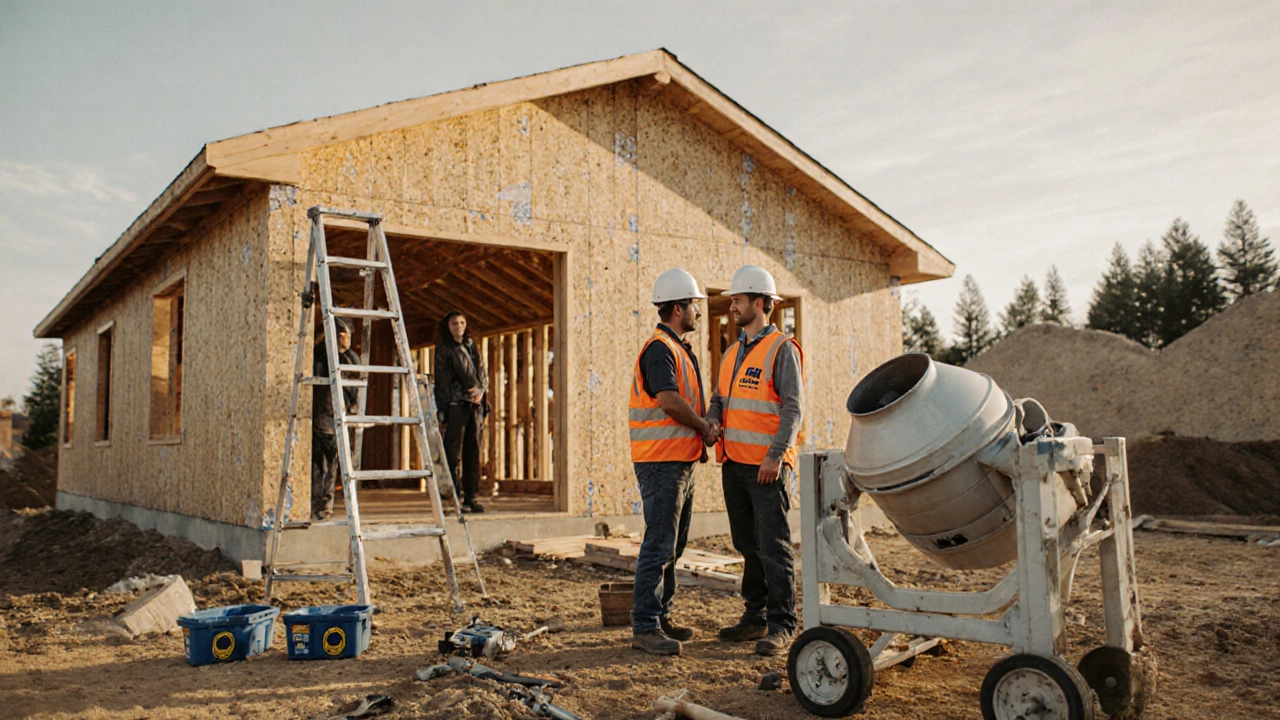
Builder vs Construction Company: Key Differences Explained
Learn the clear differences between a builder and a construction company, their roles, legal responsibilities, and how to choose the right partner for your project.
full article