Construction Company Definition: Roles, Services, and What Sets Them Apart
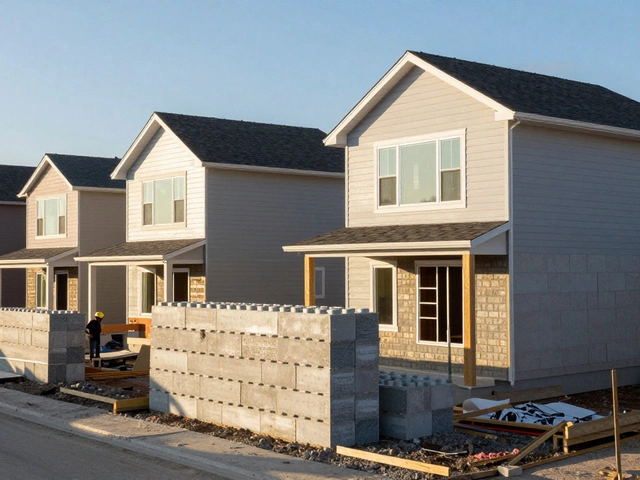
When you hear the term construction company, a business that plans, designs, and builds structures for residential, commercial, or industrial purposes. Also known as building contractor, the entity that actually carries out the construction work on site, it’s the hub that brings a project from an idea to a finished building. Understanding a construction company helps you see why choosing the right one matters for quality, cost, and timeline.
A construction company isn’t just a crew with tools; it includes project managers, professionals who schedule work, coordinate trades, and keep budgets on track. The company also manages subcontractors, suppliers, and safety officers. In short, construction company encompasses building contractor and requires project manager coordination. This structure ensures every phase – from site prep to final finish – follows a clear plan.
Key Services Offered by Construction Companies
Most companies provide a suite of construction services, including new builds, extensions, renovations, and specialist work like heritage restorations. Homeowners often start with a renovation or an extension, while commercial clients look for large‑scale builds or fit‑outs. Services are usually broken down into design‑build, where the same firm handles architecture and construction, and traditional contracts, where the owner hires separate designers. This distinction matters because it affects communication flow and responsibility.
Regulations play a big role too. Building regulations, the set of rules that ensure safety, energy efficiency, and accessibility in new and altered structures dictate many decisions a construction company makes—from fire‑rating materials to structural load calculations. When a company says it complies with local codes, it’s essentially acknowledging that building regulations influence construction company operations. Ignoring them can lead to costly re‑work or legal trouble.
Choosing the right firm means looking at experience, certifications, and how they handle the client relationship. A reputable construction company will provide clear quotes, outline a project timeline, and keep you in the loop with regular updates. They’ll also have insurance, a track record of similar projects, and references you can check. By matching your project’s scope—whether it’s a home renovation or a multi‑storey office block—with the company’s expertise, you reduce risk and improve the odds of a smooth build.
Below you’ll find a curated collection of articles that dive deeper into the topics we just covered. From budgeting for loft conversions to understanding foundation repair, each post offers practical tips and real‑world examples that can help you decide what to expect from a construction company and how to get the most out of the partnership.
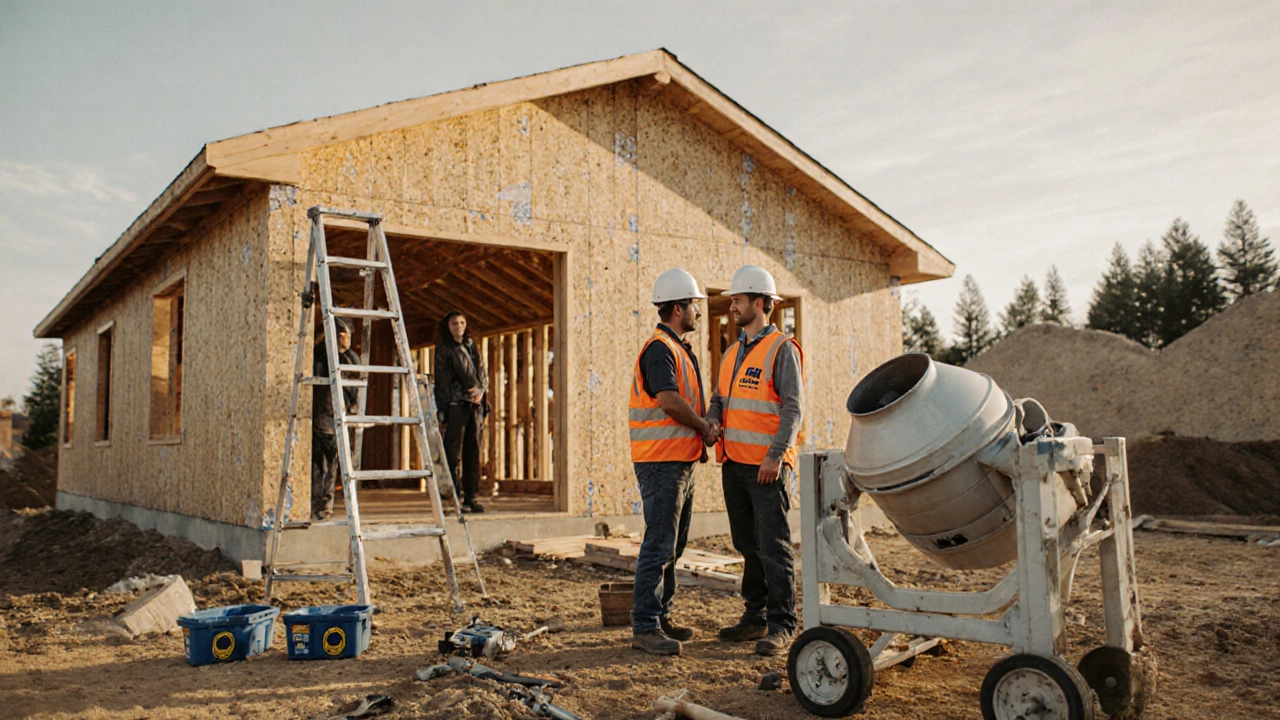
Builder vs Construction Company: Key Differences Explained
Learn the clear differences between a builder and a construction company, their roles, legal responsibilities, and how to choose the right partner for your project.
full article