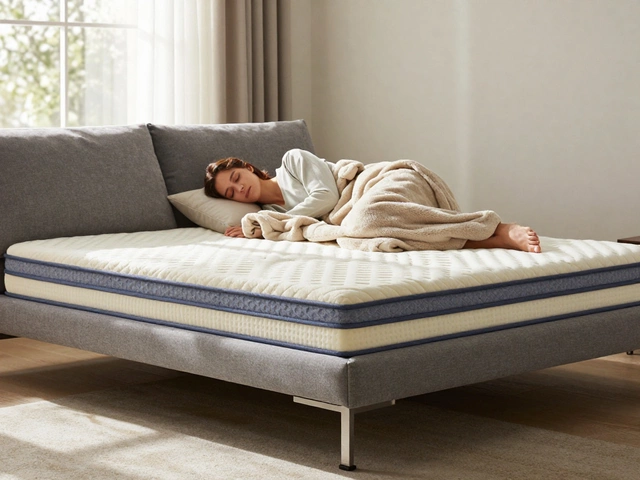
Comfortable Sleep: How to Create the Perfect Restful Environment
When talking about comfortable sleep, the state of feeling rested and relaxed while lying down for the night. Also known as good sleep, it hinges on several key factors that work together to support your body’s natural recovery cycle.
One of the biggest contributors is a quality mattress, a supportive surface that balances firmness and cushioning to keep the spine aligned. A well‑chosen mattress reduces pressure points and cuts down tossing and turning. Pair that with the right pillow, a cushion that maintains proper neck posture and adapts to your sleeping style, and you’ve removed two major sources of disruption.
Comfortable sleep also depends on the way you light your bedroom. Bedroom lighting, the combination of ambient, task and accent lights that mimic natural daylight cycles helps regulate melatonin production. Soft warm lamps in the evening signal the brain to wind down, while brighter daylight‑mimicking bulbs in the morning boost alertness.
Key Elements of a Restful Night
Beyond mattress, pillow and lighting, the room’s colour palette plays a subtle but real role. Neutral or cool tones such as soft blues and gentle greys tend to calm the nervous system, whereas overly bright or saturated shades can keep you alert. Choosing a calming wall colour is an inexpensive way to reinforce the sleep‑friendly atmosphere created by your furniture.
Air quality and moisture are often overlooked. Damp or humid rooms encourage mould growth on furniture, cushions and even bedding. Mould spores can irritate the respiratory system, making it harder to stay asleep. Simple steps—like using a de‑humidifier, ensuring proper ventilation, and storing spare cushions or sofas in dry conditions—keep the environment fresh and safe.
Storage solutions matter too. If you keep spare bedding or pillows in a cramped closet, they can collect dust and mites that trigger allergies. Organising these items in breathable containers and rotating them regularly reduces the risk of irritation during the night.
Furniture choices influence sleep comfort as well. A recliner with ergonomic support can double as a nap spot for daytime rest, while high‑quality couch cushions that retain shape provide consistent support when you lounge before bedtime. When buying cushions, look for dense foam cores and removable, washable covers to extend their lifespan.
Lastly, consider how you use technology. Smartphones and tablets emit blue light that suppresses melatonin. Switching to night‑mode settings or using blue‑light‑filtering glasses after sunset helps preserve the natural sleep rhythm.
All these pieces—mattress, pillow, lighting, colour, airflow, storage and furniture—form a network of habits that shape your nightly recovery. Below you’ll find a curated set of articles that dive deeper into each area, from choosing the best recliner brand for a quick nap to mastering mould‑free storage for your favourite sofa. Armed with this context, you’ll be ready to pick the right products and tweaks to upgrade your sleep experience.

The Comfort and Health of Sleeping in a Recliner Every Night
Sleeping in a recliner can be a comfortable alternative to a bed, especially for those with specific health needs or preferences. This article explores the benefits and potential drawbacks of sleeping in recliners nightly, offering tips for selecting the best model and positioning for optimal rest. Discover how recliners can alleviate certain medical conditions and what to consider ensuring your sleep quality remains high.
full article