Chair Repairs: Everything You Need to Fix, Restore, and Maintain Your Seats
When dealing with Chair Repairs, the process of fixing, restoring, or maintaining chairs so they stay safe and look good. Also known as chair refurbishment, it often starts with a quick assessment of the problem before choosing a method.
One of the biggest helpers in this journey is Furniture Restoration, a broader practice that revives all types of furniture, not just chairs. When you restore a chair, you’re actually applying the same techniques you’d use on tables, cabinets, or sofas. This means the skills you pick up here can boost your overall home‑improvement confidence.
Another key player is Upholstery Repair, the art of fixing or replacing fabric, padding, and springs in seated furniture. Good upholstery repair can turn a squeaky, torn‑up chair into a comfy, stylish piece. It also ties directly into chair repairs because most chairs have some form of padding or fabric that wears out over time.
These three entities—chair repairs, furniture restoration, upholstery repair—form a tight loop. Chair repairs encompass wood refinishing, which requires knowledge of sanders, stains, and protective finishes. Chair repairs also need upholstery repair skills when dealing with cushions or fabric. And furniture restoration influences how long a repaired chair will last, because a solid frame and fresh finish protect the piece from future damage.
Common Issues and How to Tackle Them
Most chairs break down in three predictable ways: wobbling legs, cracked seats, and worn‑out upholstery. A wobble usually means a joint has loosened or a screw is missing. Tightening the joint with wood glue and a clamp often solves the problem, and adding a screw for extra support ensures it stays stable.
Cracked seats are a wood issue. Start by cleaning the crack, then fill it with wood filler or a matching epoxy. Sand the area smooth and apply a stain that matches the rest of the chair, followed by a protective varnish. This sequence—clean, fill, sand, stain, protect—is a classic wood‑refinishing triple that brings the chair back to life.
When fabric peels or padding sags, upholstery repair steps in. Remove the old fabric carefully, note how it was attached, and replace it with a durable material like cotton‑blend or faux leather. New padding, such as high‑density foam, adds comfort and extends the chair’s lifespan. Remember to staple the fabric tightly to avoid future rip‑outs.
If you’re dealing with an antique chair, extra caution is needed. Antique pieces often have original finishes that add value. In these cases, use a gentle cleaning solution and a low‑sheen wax rather than a glossy varnish. This respects the chair’s history while still protecting it from wear.
Beyond the basics, think about the environment where the chair lives. Chairs in humid rooms are prone to mold, especially if they store in a basement. A quick spray of a diluted vinegar solution can prevent mold growth, and keeping the chair in a well‑ventilated area reduces risk. This tip ties back to our earlier discussion about furniture storage and mold prevention, another related entity that often pops up when talking about chair longevity.
For those who love DIY, the right tools make a world of difference. A good set of clamps, a cordless drill, sandpaper of varying grits, and a staple gun are the core toolkit for most chair repairs. Investing in these tools not only speeds up the job but also improves the finish quality—a direct benefit of mastering the skills discussed in our broader furniture restoration posts.
Professional help is still valuable for complex jobs, like restoring a carved mahogany armchair or fixing a recliner’s hydraulic mechanism. Our collection includes a guide on the top recliner brands, which can help you decide whether a repair is worth it or if a replacement makes more sense.
All of these points—assessment, wood work, upholstery, environment, tools, and when to call a pro—create a roadmap that fits beginners and seasoned DIYers alike. Below, you’ll find a curated list of articles that dive deeper into each of these areas, from modernizing old tables to preventing mold in stored furniture. Use them to plan your next chair repair project, learn new techniques, or simply get inspired by real‑world examples.
Ready to roll up your sleeves? Explore the articles below and discover step‑by‑step guides, expert tips, and handy checklists that will make your chair repair journey smoother and more satisfying.
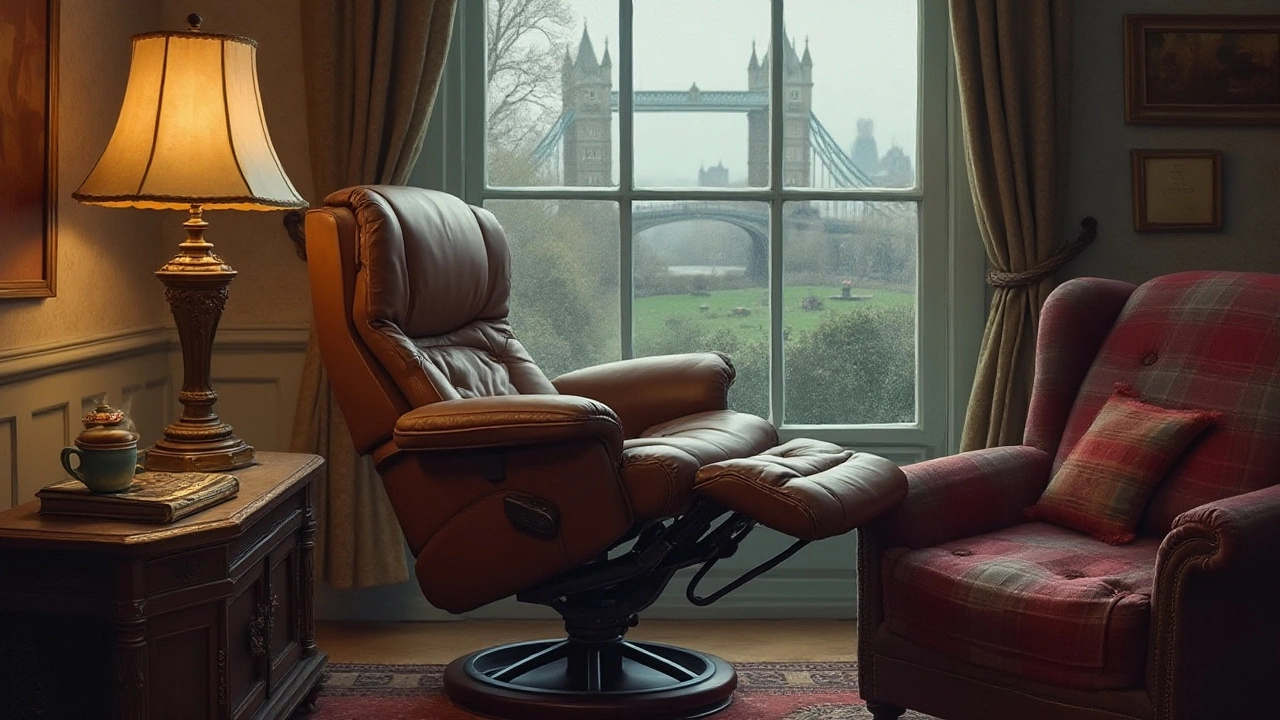
Understanding Why Electric Recliners Stop Working and How to Fix Them
Electric recliners offer comfort and convenience, but like any piece of technology, they can run into issues. Whether it's due to a power outage, loose wiring, or an aging motor, there are many reasons why these chairs might stop working. Understanding the common problems and knowing how to troubleshoot them can save you time and expensive repairs. This article explores the causes of electric recliner malfunctions and offers practical solutions to get them back in action.
full article