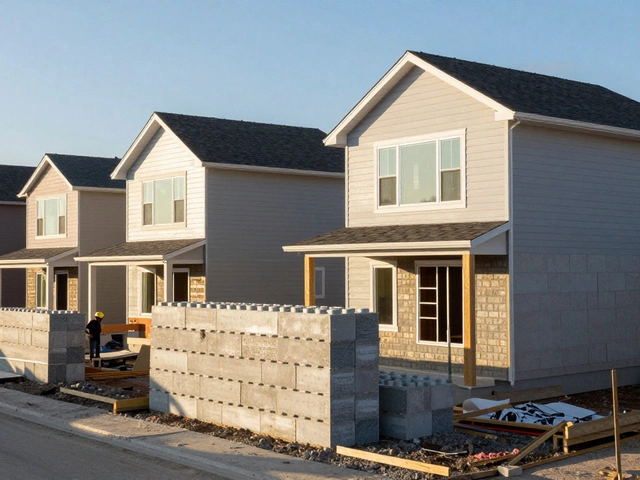
Building Defects: What They Are and How to Deal With Them
When dealing with building defects, any flaw or fault that compromises a structure’s safety, durability, or appearance. Also known as structural faults, they can show up as cracks, damp, sagging floors, or leaking roofs. Understanding these problems early saves money and avoids bigger headaches later. Below you’ll find a quick guide to the most common issues and how to tackle them.
Most homeowners first notice a defect when something starts to look wrong – a crack in a wall, a draft under a door, or water stains on a ceiling. At that point, a construction company, a professional service that manages building repairs and renovations becomes a key player. They have the tools and knowledge to assess the damage, recommend fixes, and ensure the work meets building codes. Ignoring a defect can lead to higher repair costs, lower property value, and even safety hazards.
Common Types of Building Defects
One of the most telling signs of a problem is foundation settlement, the gradual sinking or shifting of a building’s base caused by soil movement, water infiltration, or poor construction. You might see doors that won’t close properly, uneven floorboards, or new cracks appearing near the corners of rooms. Settlement often starts slowly, but if left unchecked it can lead to major structural instability. Professional assessment usually involves checking soil moisture levels, inspecting the foundation walls, and sometimes installing reinforcement like piers or underpinning.
Another frequent issue is roof leakage, water infiltration through damaged shingles, flashing, or poorly sealed joints. Leaks appear as water stains on ceilings, dripping in attics, or mold growth along rafters. A leaking roof not only damages interior finishes but can also weaken roof decking over time. Fixes range from simple shingle replacement to full roof re‑shingling, depending on the extent of the damage and the roof’s age.
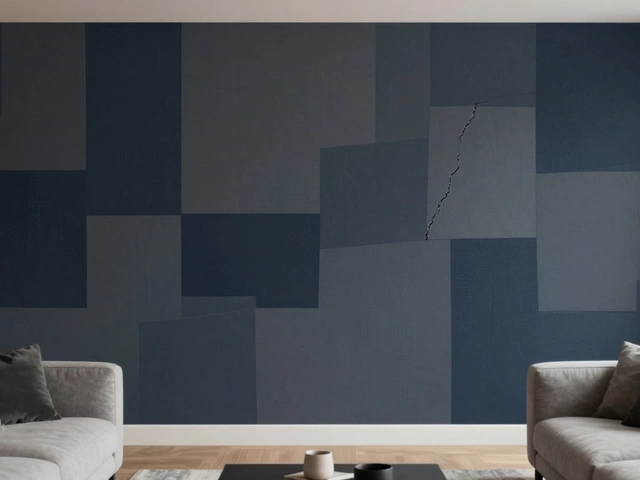
Structural cracks are a broader category that can affect walls, ceilings, or load‑bearing elements. Small hairline cracks often result from normal settling, but wider gaps or cracks that grow quickly may indicate movement in the building’s frame. Factors such as thermal expansion, moisture changes, or even nearby construction can cause these cracks. Engineers typically use crack gauges and moisture meters to determine whether a crack is superficial or a sign of deeper trouble.
Beyond these, you’ll also see issues like damp‑proofing failures, faulty plumbing, and deteriorating render. Each defect has its own set of symptoms, but they all share a common thread: they need timely detection and proper repair. Regular inspections—especially after extreme weather or after major renovations—help catch problems before they spread.
Inspections are the first line of defense. A thorough visual check, combined with tools like moisture meters, infrared cameras, and structural probes, can spot hidden defects. Homeowners can do simple checks themselves, such as feeling for cold spots on walls (a sign of insulation gaps) or listening for creaks when walking on floors. When in doubt, hiring a qualified surveyor or a specialist from a construction company ensures you get an unbiased report.
Repair strategies vary. Some minor cracks can be filled with filler and repainted, while others require structural reinforcement. For foundation settlement, options include underpinning, slab jacking, or installing drainage systems to control soil moisture. Roof leaks might be fixed with patching, sealant application, or a full roof overhaul. The key is to match the repair method to the defect’s cause and severity, and to use quality materials that last.
The articles you’ll find below cover everything from choosing the right construction partner to DIY fixes for common issues. Whether you’re a first‑time homeowner, a seasoned renovator, or just curious about why your walls are cracking, the collection offers practical tips, real‑world examples, and expert advice to help you keep your property sound and safe.
Ready to dig deeper? Scroll down to explore detailed guides on spotting defects, budgeting repairs, and working with professionals—all designed to give you confidence in handling any building problem that comes your way.
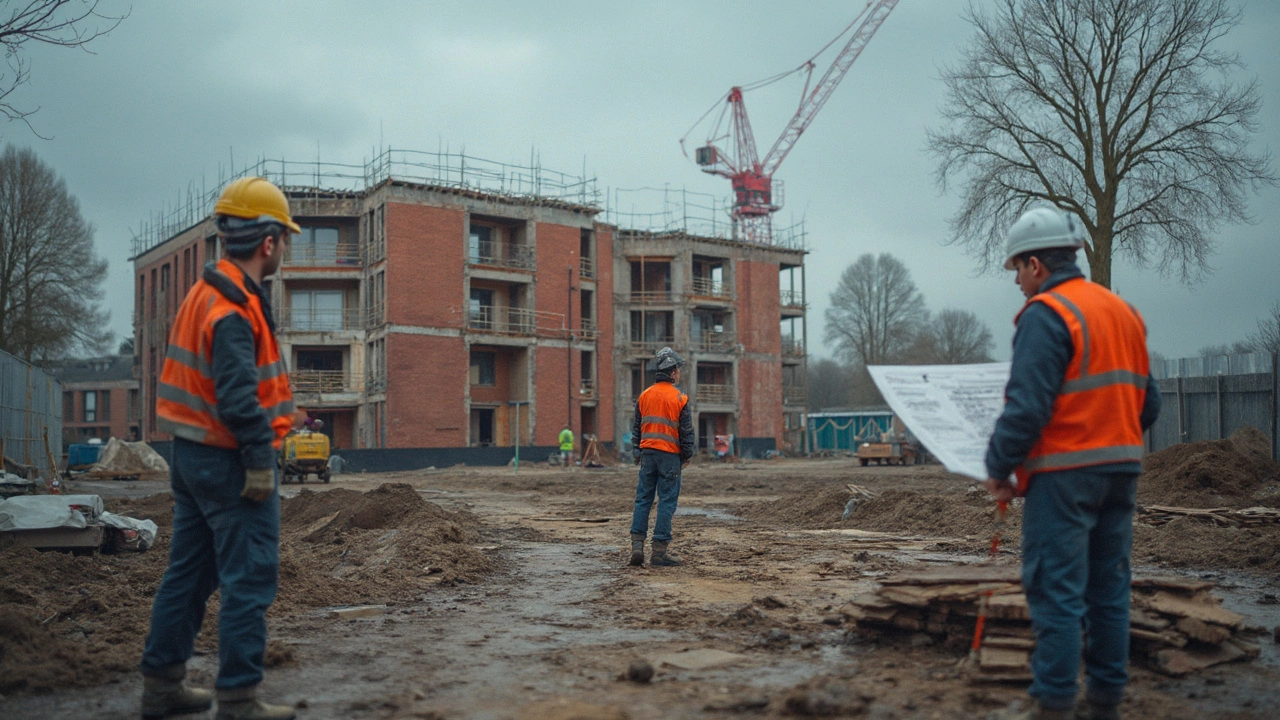
Most Common Building Defects in New Builds
Exploring the most common defects found in new building constructions, this article provides insightful tips on identifying and addressing these issues. From foundational cracks to plumbing problems, learn the key areas that need attention. Understand why building defects occur and how you can prevent them in future projects. Practical advice empowers homeowners and buyers to handle defects effectively. Gain the knowledge you need to ensure your new build stands the test of time.
full article