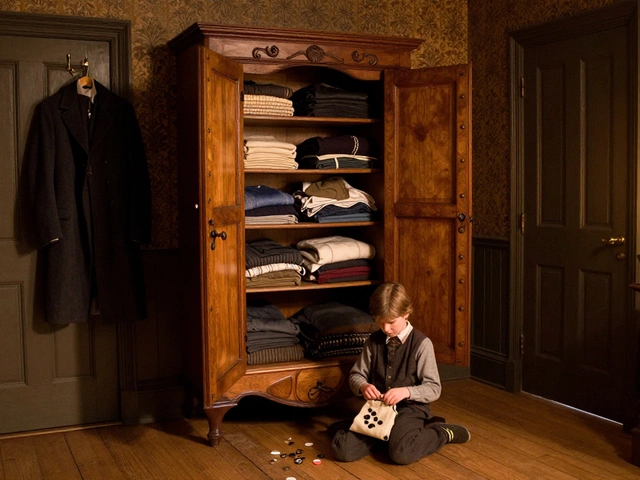
Archival Storage: Protecting Your Belongings for the Long Haul
When working with archival storage, the practice of keeping items safe from decay, humidity, and pests for decades. Also known as long‑term storage, it requires controlled conditions and careful handling. archival storage isn’t just for museums; anyone with family heirlooms, important documents, or seasonal gear can benefit. The goal is simple: stop time from ruining what matters to you. Below you’ll find the core pieces that make a solid system work.
Key Elements of Effective Archival Storage
First up is temperature and humidity control. Climate controlled storage, a space where temperature stays steady and humidity is kept low creates the foundation for any archival plan. Think of it as the air‑conditioner for your treasures. Without a stable environment, wood swells, paper curls, and metal rusts faster. Most experts recommend keeping the temperature around 65‑70°F and relative humidity between 30‑50%. That range slows chemical reactions that cause decay, and it’s the sweet spot for both leather and fabrics. If you’re using a professional storage unit, ask about their climate‑control specs; if you’re DIY‑ing, a digital hygrometer will tell you when you need to dehumidify.
Next, moisture management is the next big player. Moisture management, the practice of monitoring and adjusting water vapor levels in storage spaces keeps mold, mildew, and corrosion at bay. Simple steps like using silica gel packets, airtight containers, and breathable cotton covers can make a huge difference. For larger items, consider using a dehumidifier with an automatic shut‑off when the desired level is reached. Remember the old rule: “If it feels damp, it’s risky.” That rule influences archival storage decisions every day, because even a small spike in humidity can trigger mold growth on paper or fabric.
Pest prevention may feel like an extra hassle, but it’s a must‑have safeguard. Pest prevention, methods to keep insects, rodents, and mold spores away from stored items starts with a clean space. Vacuum floors, seal cracks, and keep food out of storage areas. For delicate items, use cedar blocks or lavender sachets—natural repellents that don’t leave harsh chemicals. Regular inspections, ideally once a month, let you spot early signs of infestation before they spread. In practice, pest prevention influences how you pack, where you place items, and what you choose for containers.
Choosing the right containers ties everything together. Acid‑free containers, boxes, sleeves, or bags made from materials that won’t leach harmful acids into stored items protect paper, photographs, and fabrics for generations. Pair those with clear labeling—use archival‑safe pens and avoid adhesive tapes that can leave residue. Proper labeling improves archival storage organization and makes it easy to locate items without having to rummage through piles. A simple system, like a spreadsheet noting box numbers, contents, and date of storage, saves time and reduces handling, which in turn lowers the risk of damage.
All these pieces—climate control, moisture management, pest prevention, acid‑free containers, and good labeling—form a network that keeps your valuables safe. By treating each element as a link in a chain, you’ll minimize the chances of one weak point causing a cascade of damage. Below, you’ll find a curated list of articles that dive deeper into each of these topics, from DIY storage hacks to professional tips on preventing mold. Use the guides to build a plan that fits your space, budget, and the type of items you need to protect, and you’ll have confidence that your treasured belongings will stay in great shape for years to come.

Best Options for Long-Term Data Storage in 2025
Discover the top long‑term data storage options in 2025, from magnetic tape to cloud archives. Learn costs, durability, speed, and how to pick the perfect mix for your needs.
full article